February Musings
Yuma Friends,
Happy February. And I’m sorry about February. I’m sorry about the news. I’m sorry about the heatwaves and the cold snaps. I’m sorry about the terrible astrology, which is ripping through my community in the form of bushfires, gastro, flus, and terribly busy work weeks.
And I’m grateful you’re here. Thank you for reading my little newsletter, which is also my happiest and easiest vocational outlet right now. The title, the Crepuscular Hour comes from a twice-daily phenomenon: the light just before sunset and just after sunrise.
Some peoples’ email browsers aren’t loading all the images and links in the posts. If that’s you, you can also click through to the web version of this newsletter.
If you are a lover of words, but a hater of reading, you may want to listen to the audio version of the newsletter here:
Shards: a diagnosis
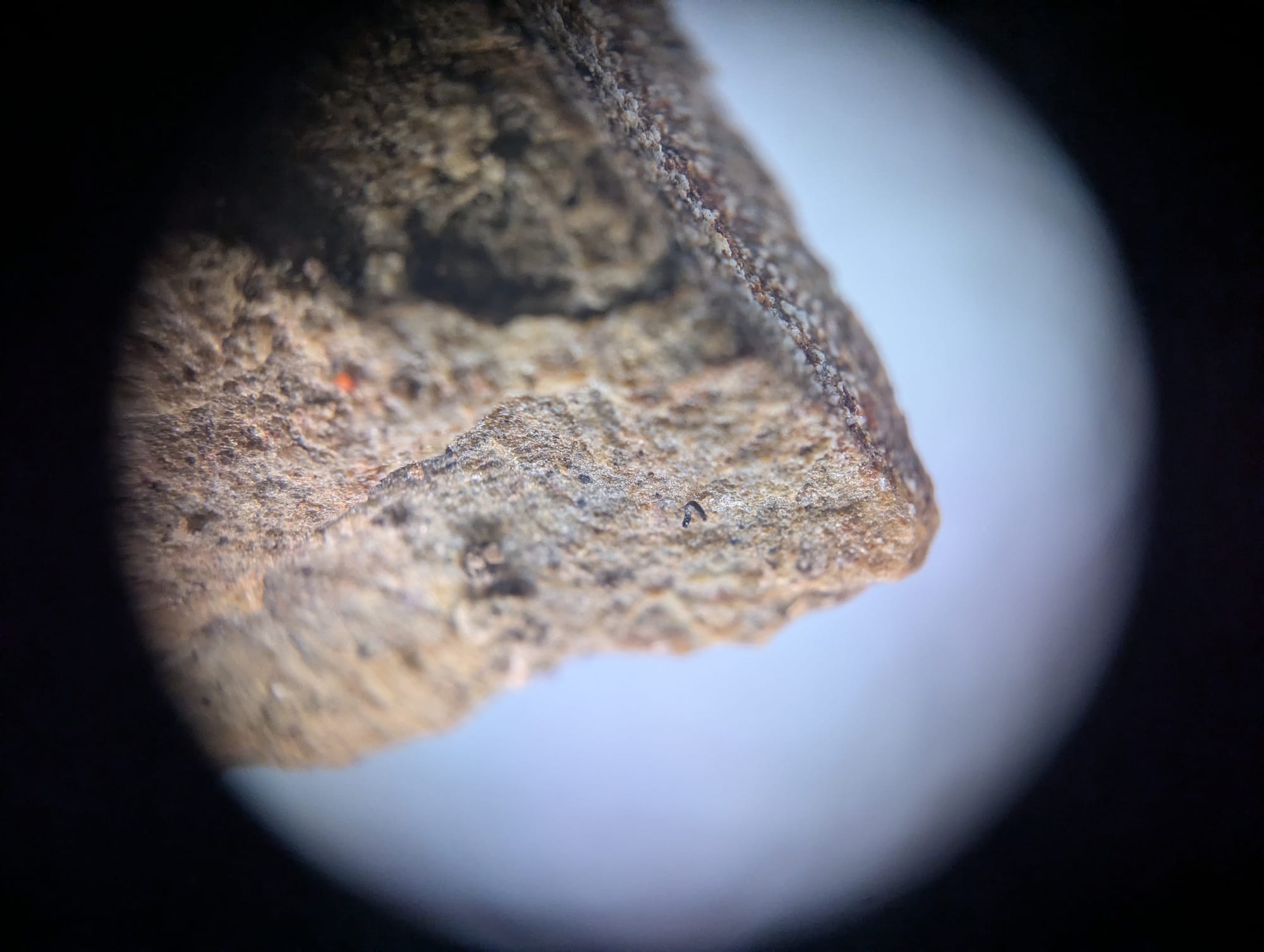
On the podcast, the wives are discussing shards. She describes to her wife that pain she felt in her heart just after they’d all moved in together,
she says something like do you remember? How this ache was throbbing out of my chest?
and you told me: oh, that’s just a shard. That’s just an old pain that’s ready to exit. Now that you’re safe, you can just feel it. Just let it leave.
The water whisperer is speaking on another podcast. About the time she went on a high-alkaline water regime,
and dozens of tiny green glass shards started to pulse out of her skin, remnants from the beer bottles in a car accident years earlier, that had pricked and cut all over her body. Little gems now ejecting themselves from her viscera.
It is overly dramatic to say that my twenties were, in some ways, a car accident.
Still, the shards are pulsing out.
You, my little one. Not even yet breathing. You, somnolescent, kicking me. Your gestation is pushing out my shards.
Green glass, schist, quartz. I wake every day with slithers of my life on the pillow, all over the sheets. Little specks of blood. I am a collective noun of shards. A school of shards. A keen of shards.
The small shards can be pulled out with tweezers, once they get close enough to the surface. But the larger ones? The quartz laced with gold? You have to let them pulse out by themselves, otherwise they rip tissue. Tear organs. Like moths or butterflies waiting to be born: you can’t touch the chrysalis. You can just watch the emergence. Will the softening to happen.
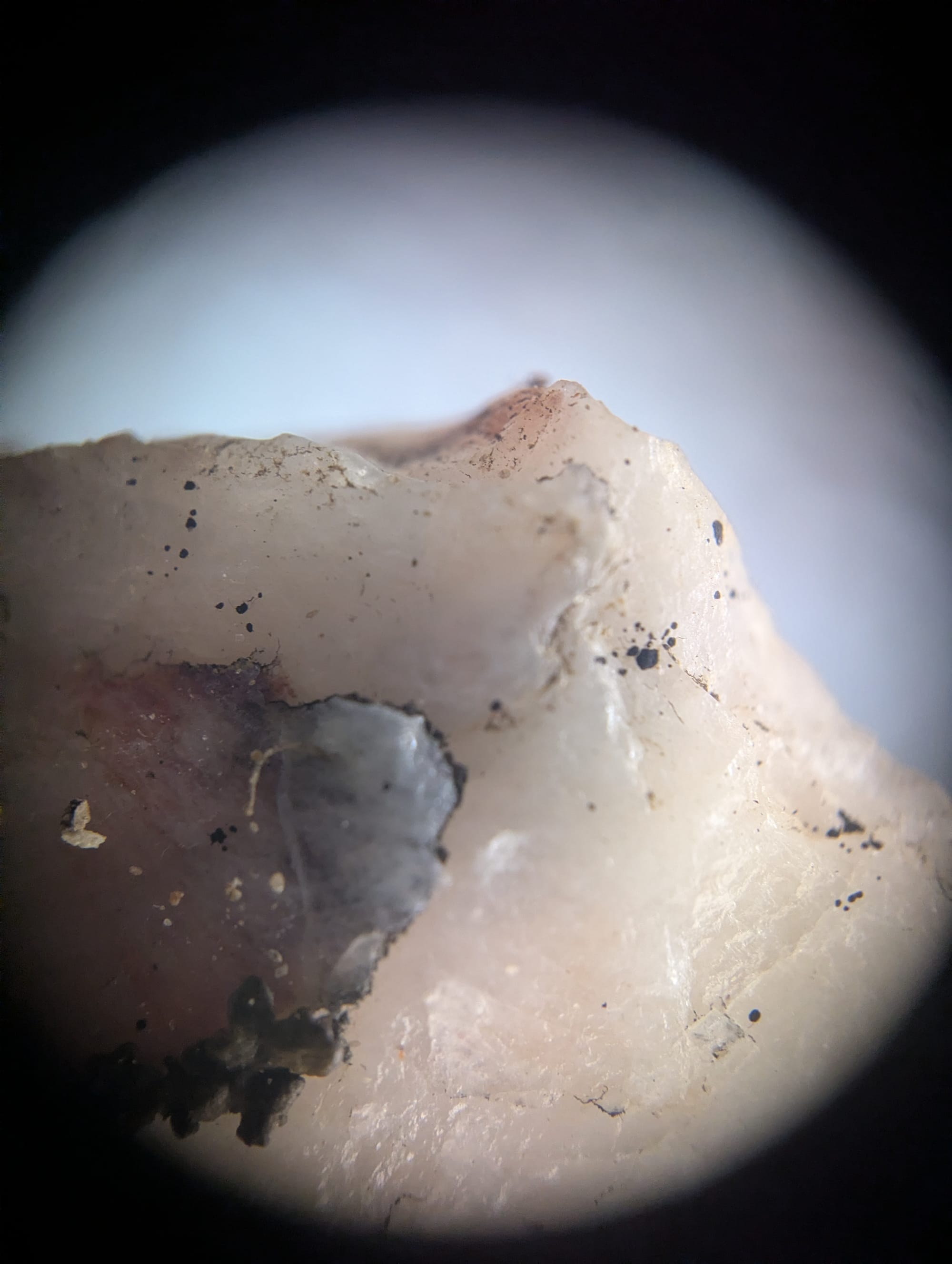
Words whisper out with the shards. The things people said as they placed these shards in the body. Variants on this pain will help you grow, this compromise is for your own good, you need to go into this darkness to find yourself. I whisper fuck you under my breath. I gnash my teeth. I think of how useful it is for birth that I practise enduring pain.
There is a shard in my chest the size of a fist, and it is the shape of a ten-year-old loss. Now that I am saturated with touch inside and out, it is a shock to re-feel the loneliness of an old un-cleaving. To re-feel lying alone on a futon as snowmelt cold pours in from between my floorboards, filling my bed with mould. I am unclenching around this pain. I am breathing out around this pain. I am willing the softening to happen.
Shards: a tentative prescription
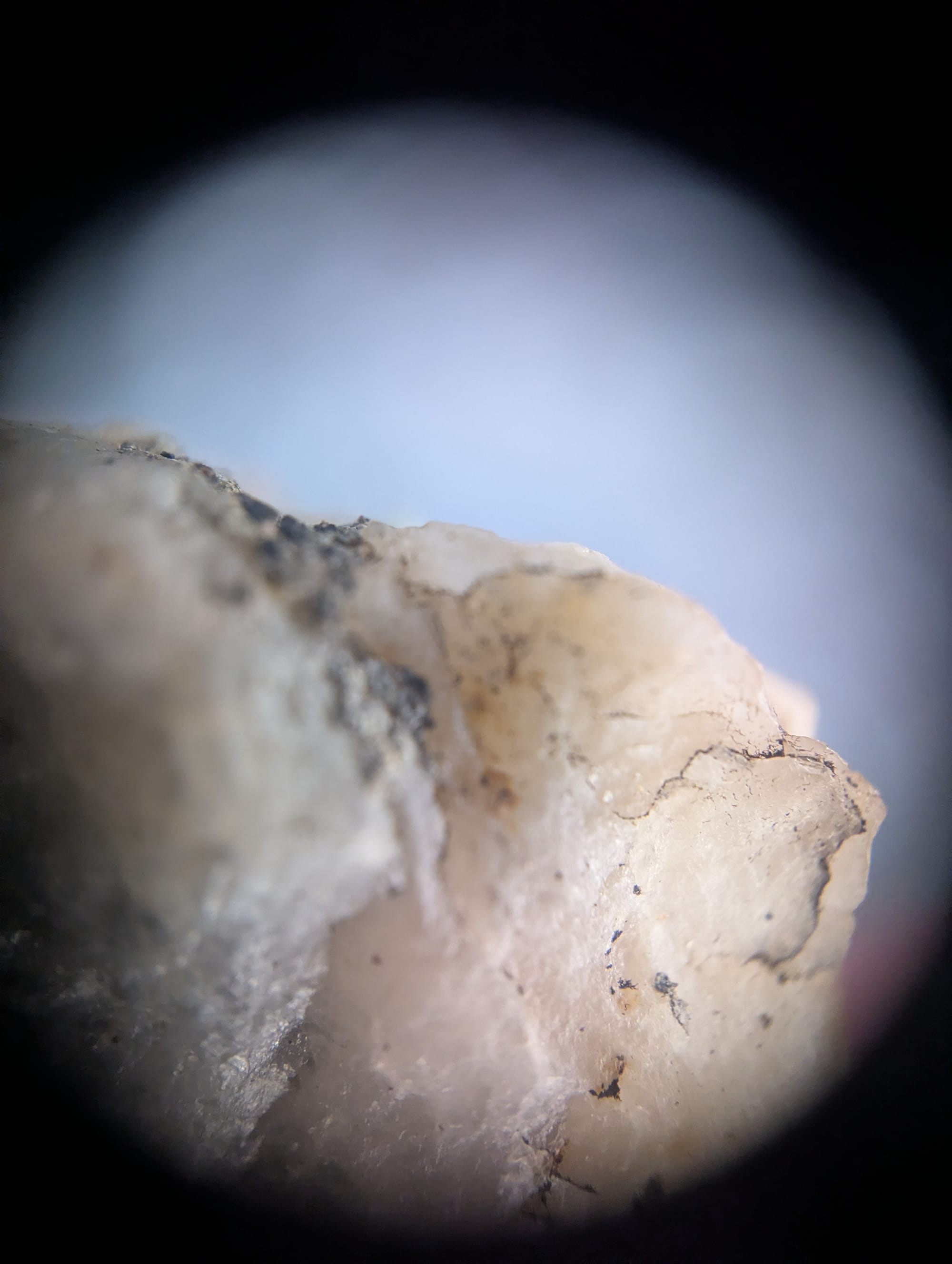
I have a confession: I don't know how to heal shards, not really.
Aside from time. Aside from washing the wound with salt water. Ocean or tears.
I know that it helps to hold the site of pain (usually the chest) gently in your hands. I know that it helps to have a witness, usually a therapist, perhaps some sort of cleric. Someone to witness you keen. This helps the shards loosen.
I don't know if all shards go away. Some of mine remain, despite the evidence of the debris on my pillow.
Here is what I do know: I know that my shards, like most of me, most of the time, long for earth. Long to go home to earth.
Gravity's pull has always been strong for me. And at seven months of pregnancy, I am nothing but gravity. I long to go to ground.
The night is silky, tepid. A scorpion greets me as I step outside my back door. Both of us on high alert to the world, our tails up and barbed. We dance around one another.
The grass, as I walk on it, smells like heat. Like dryness.
I lie on my side, the only approved lying posture at 29 weeks of roundness. Dead lawn pokes into my naked legs; a pleasantly distracting counter-pressure from pulsing shards. Ants crawl over my thighs. I close my eyes. I ask the earth: "will you hold this pain with me?" I exhale. I inhale. We breathe together, the soil and I. I feel stone shard move towards earth.
Always was, always will be
Get yourself to Canberra to see the 5th National Indigenous Art Triennial: After the Rain.
Of course, with a name and a theme that tangoes so easily with my beloved petrichor, I was always going to love the exhibition. But I promise you, it’s exceptional. Uniquely immersive and accessible among recent Australian blockbuster shows, it offers the question: what would all our institutions look like if they centred genuine First-Nations sovereignty?
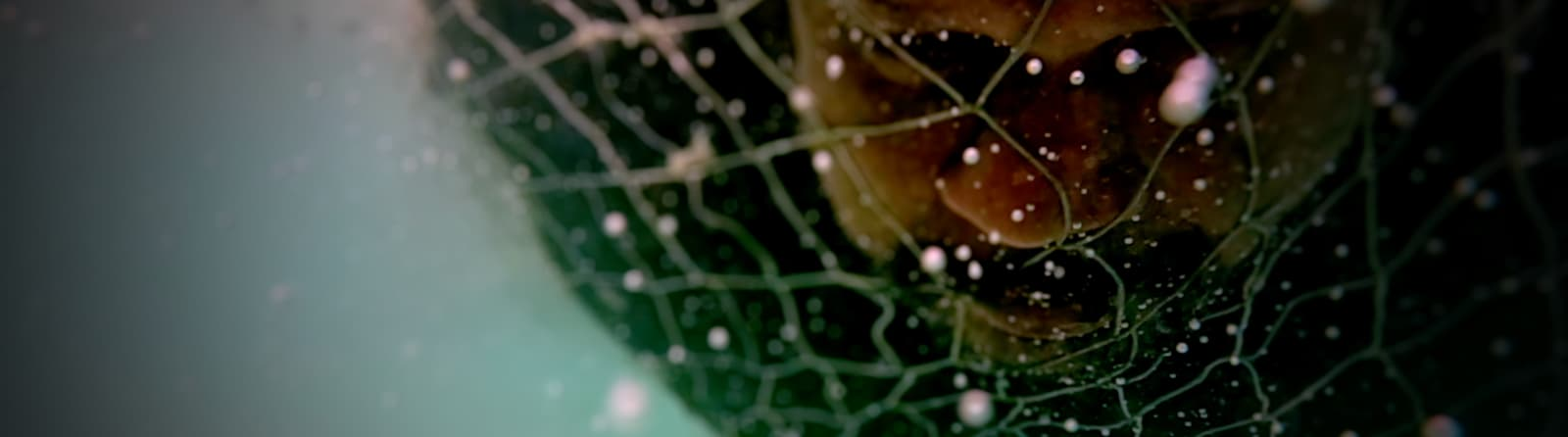
Lovingly curated by Girramay/Yidimji/Kuku-Yalanji Man Tony Albert, the show features ten large-scale installations. By being First Nations led, the show manages to genuinely centre First Nations creativity and experience. My favourite example of this was the very raw piece Kuz/Peidu Man Jimmy John Thaiday, Just Beneath The Surface. It's a stunningly filmed and produced video installation about the effects of climate change in Erub, Zenith Kes/Torres Strait. It’s hard to describe how powerful these videos are without showing them to you. From my perspective as a video artist, they are just excellent quality high definition production. But of course, this excellent production highlights the strength of the content: the beauty of the seas around Erub, Jimmy’s grief as he looks out onto oceans that are rapidly changing through global heating, his lost face as he holds a newborn baby, his body trapped in a ghost net. You can learn a little about the background of this exceptional piece here.
Australian Indigenous Art is widely considered some of the best, and the most collectible in the world. And yet, it is mostly managed by settler-colonial institutions, who deem what work is worthy, and take some of the largest dealer cuts in the industry.
What does Indigenous Art look like on Indigenous terms? And what does it look like when artist visions are well-funded? This is the project of After the Rain.
Mutual Aid
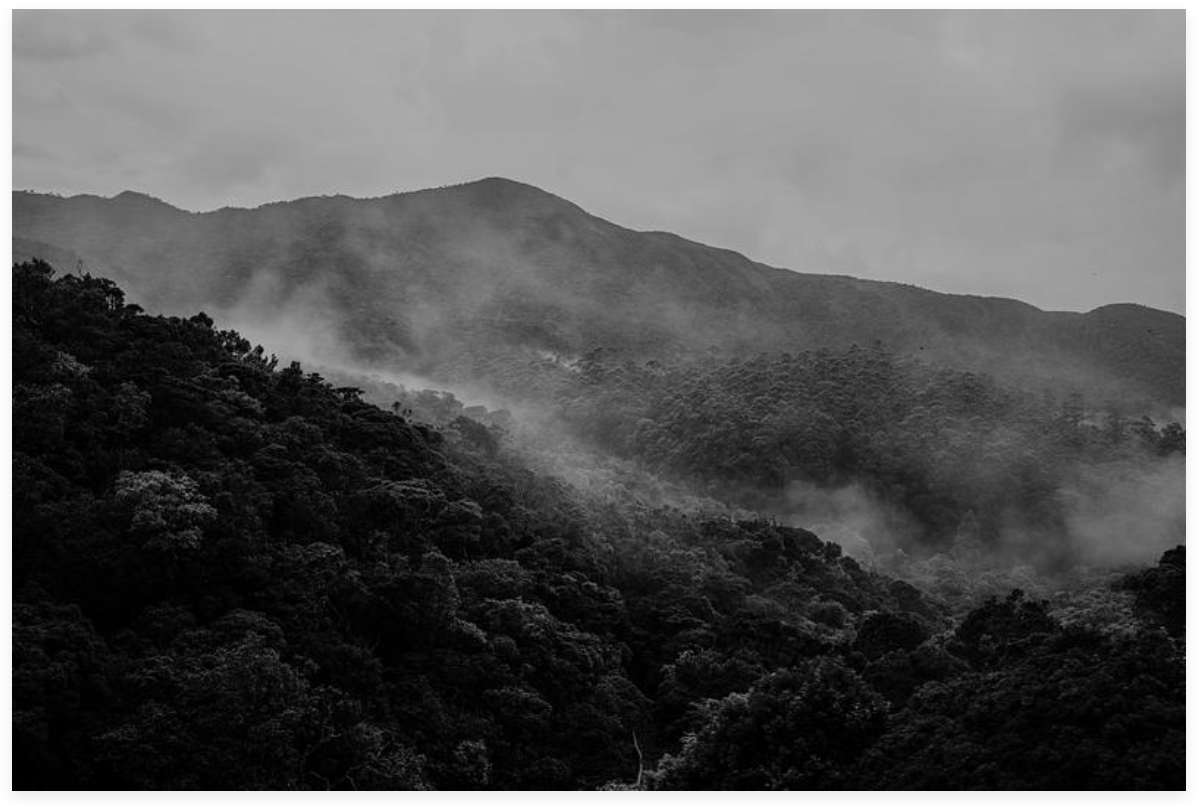
My good mate Imago Figgs is having a fundraiser for her upcoming gender-affirming surgery. These surgeries can be life-changing. They can also be life-saving: protecting trans people from the gendered violence they are so likely to face, especially for trans women. You can donate here. Imago is also an exceptional photographer, and her prints are quite affordable. You can also contribute by buying one here.
Please reach out if you have a mutual aid request.
Thank you
Thank you for taking this time with me. If you feel moved by anything in this newsletter, and want to forward it to a friend, that would genuinely help my practice grow.