August Musings
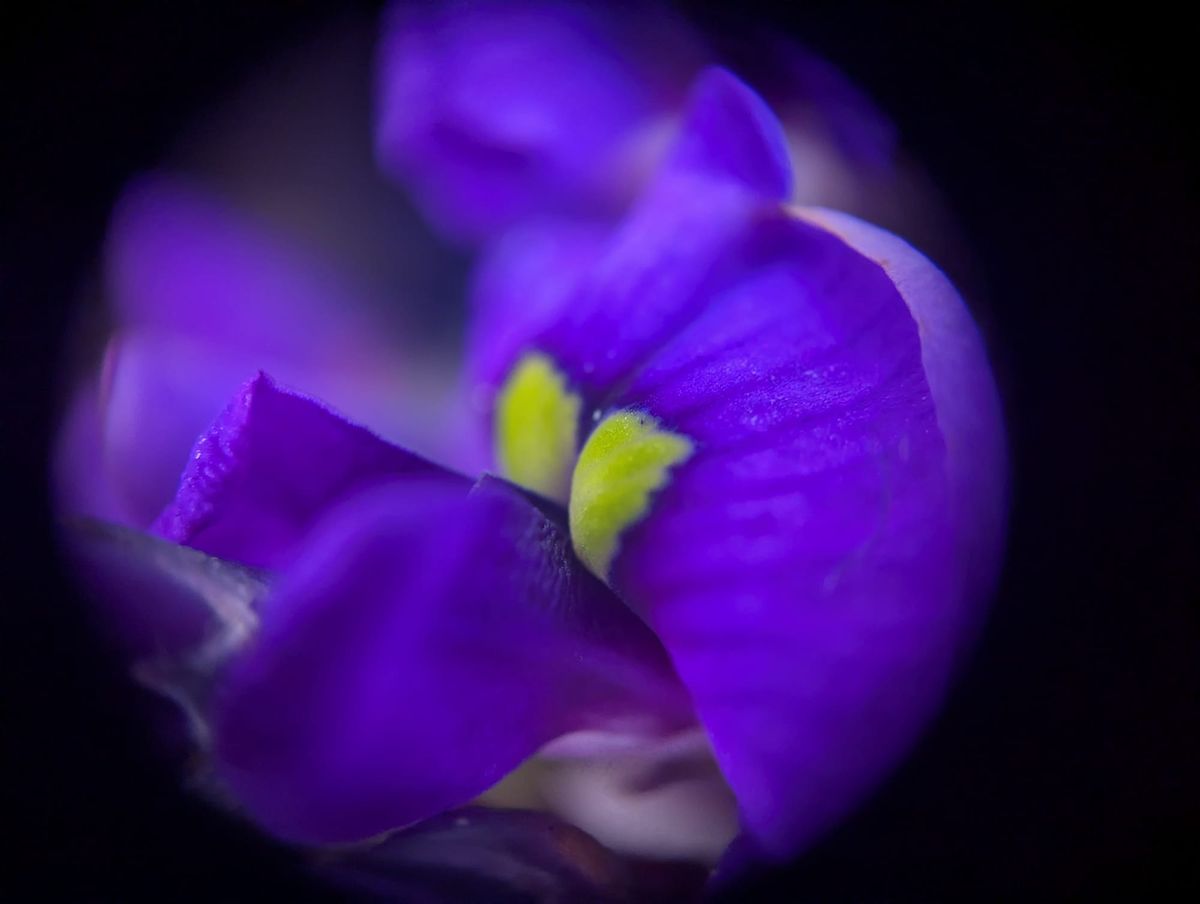
Yuma,
Since you and I last spoke, we have hurtled through two eclipses: a season of shedding. And if the double eclipses didn't help you slough off expired identities, perhaps the changing weather did: welcome to the transition seasons. Wildflower season for those of us in South-Eastern Australia. Also known as Spring. Or perhaps you are meeting me from Autumn?
I am shedding many personas as I move deeper into matrescence. Must I be a conceptual artist? Do I need to project manage? I am in a season of letting agonising forms die.
What have you shed in this season of change and intensity?
For those who prefer to listen along, you can find my mellow tones right here.
Time is a spiral
2012
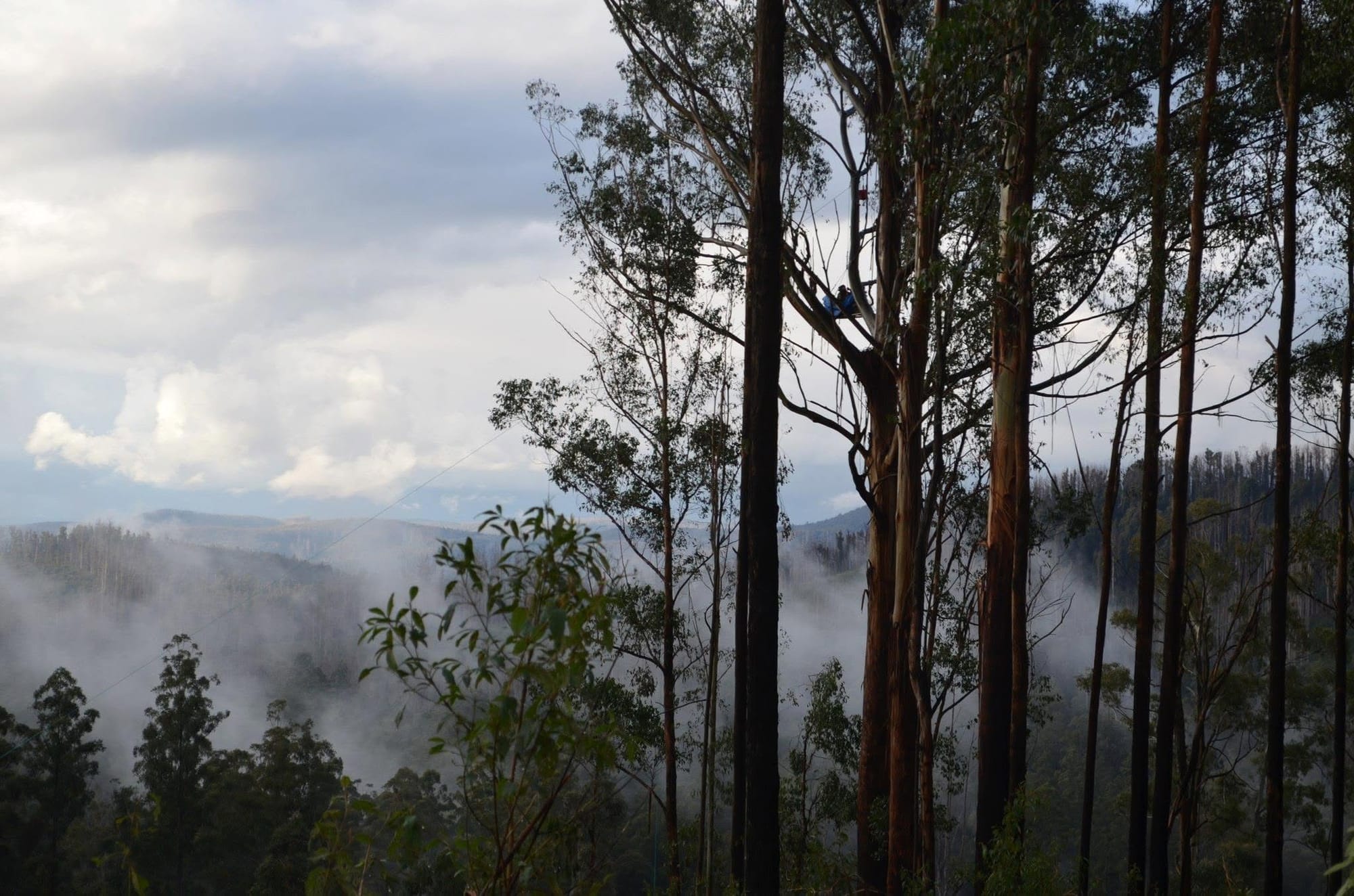
An unimaginably high tree canopy. Logging trucks starting at six am. Ice settling on my tent. Startling a lyrebird while walking to the pit toilet. Beauty, fear, privation.
In 2012, I spent as much time as possible in forest blockades. I was doing my honours year, writing and making art about the people who put their bodies between chainsaws and trees. This research was not distanced critique, it was love. A way to metabolise the turbidity of my own experience. Gunshots. Mangled ferns. Clear air.
When I look back on that time, I am struck by the intensity of three things: beauty, fear, privation. The sunset over old growth. The loggers coming into camp to beat up protestors. Instant Nescafe in an enamel mug.
The logging coupe where citizen scientists set up cameras to track Leadbeater possums. To prove we were fighting to save critically endangered species. The bullet holes all through the coupe.
Beauty, fear, privation. I was strung out in a way that you can only be when you are 21 and in love. In the forest, alone, I hummed with limerance. Ferns with canopies far above my head. Aurora Australis at night. I was in class at university when I discovered that the camp had been firebombed.
I thought that was the only ethical way to live in this world was to shrink myself down to the size of my pain: beauty, fear, privation. I wrote a zine that raged.
2013
Once an unsteady moratorium had been placed on these rich forests, I returned to make another work of art. Time is a spiral. We parked Kieran's car on the oval, and slept in the back. Three of us waking up to the precipitation from our own breath raining down on our faces. Waking up also to rising mist through the trees. To canopy all around.
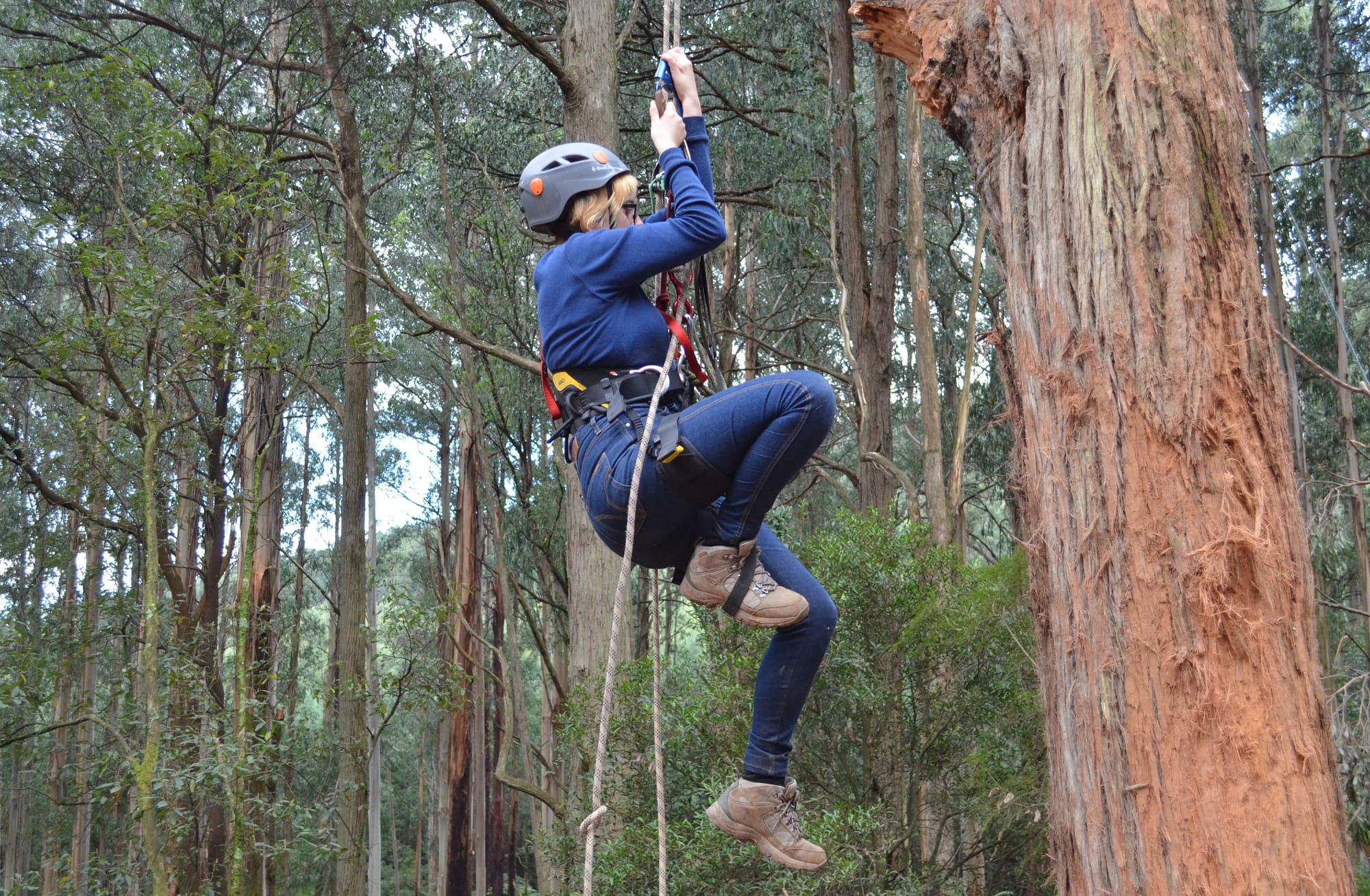
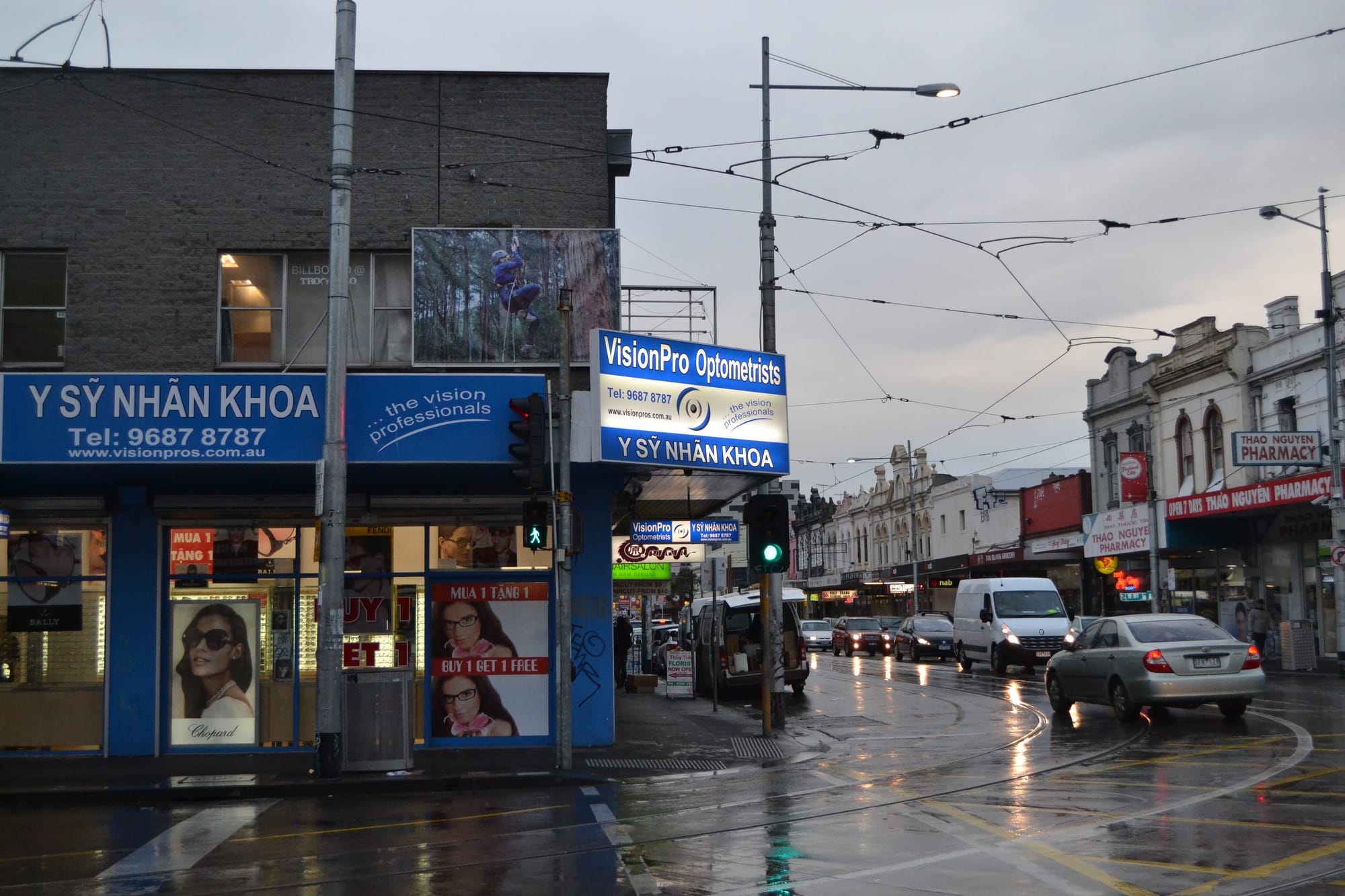
We drove to the old coupe where I used to protest. We photographed me climbing in the canopy: an homage to those who had placed their bodies between trees and chainsaws. Everywhere the rainforest was coming back: fernlets and fiddleheads growing out of charred ground. Birds chattering. In a clearing we found a cardtable riddled with bullet holes. Beauty, fear, privation. I wrote a zine about it: 90 Kilometres North-East.
We stole the cardtable.
2016
It lived in my shed for years. When doing the laundry, I would handle the bullet-riddled table. Think about the world it lived in. Banality crossed with terror.
I was finishing my Masters degree. My research was about the people who put their bodies between extractive equipment and nature. I had taken tours of decimated forests. I had walked through farms that were slated for fracking. I had slept on living room floors on the campaign trail. I was wrought with grief for the world.
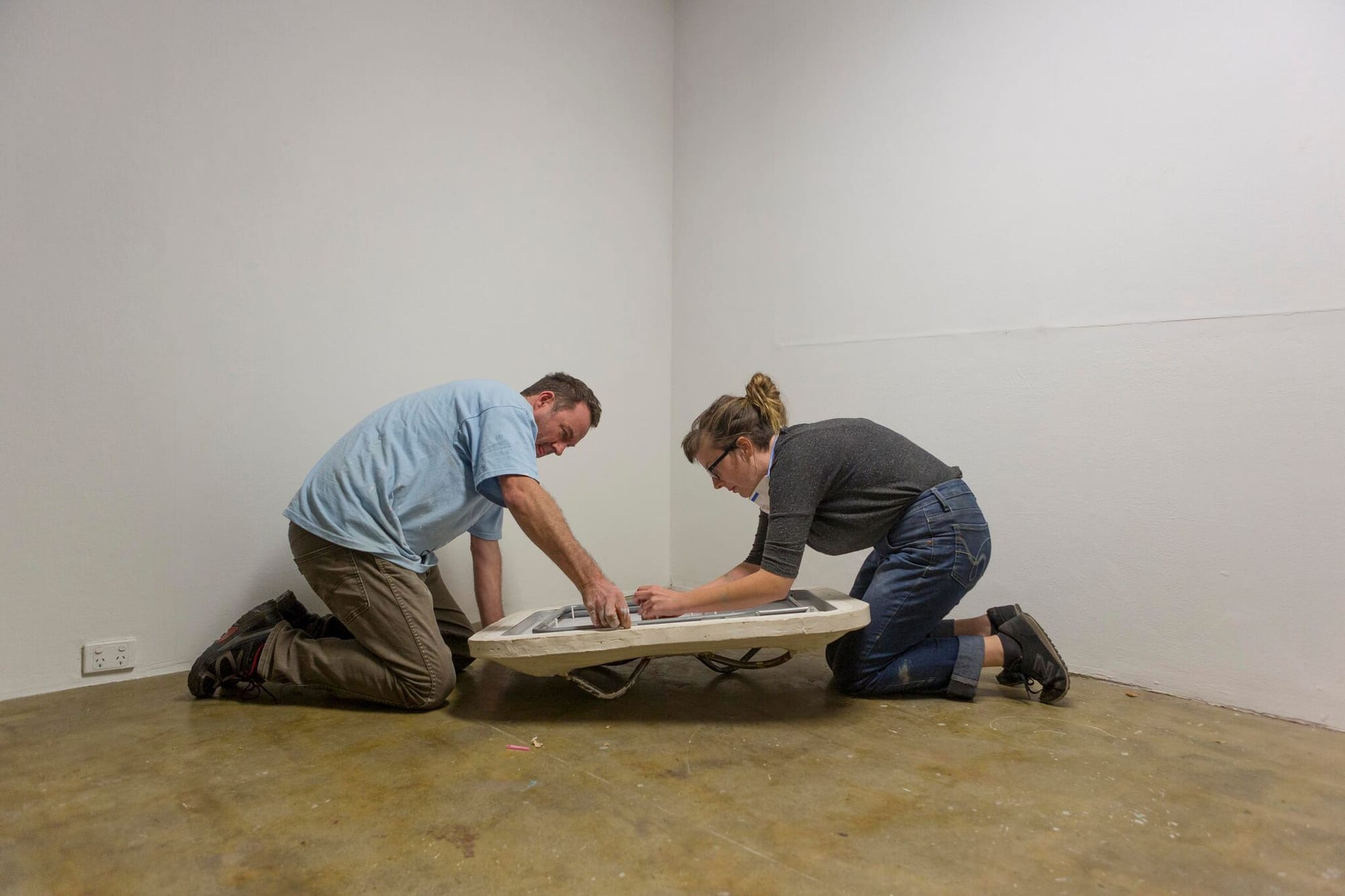
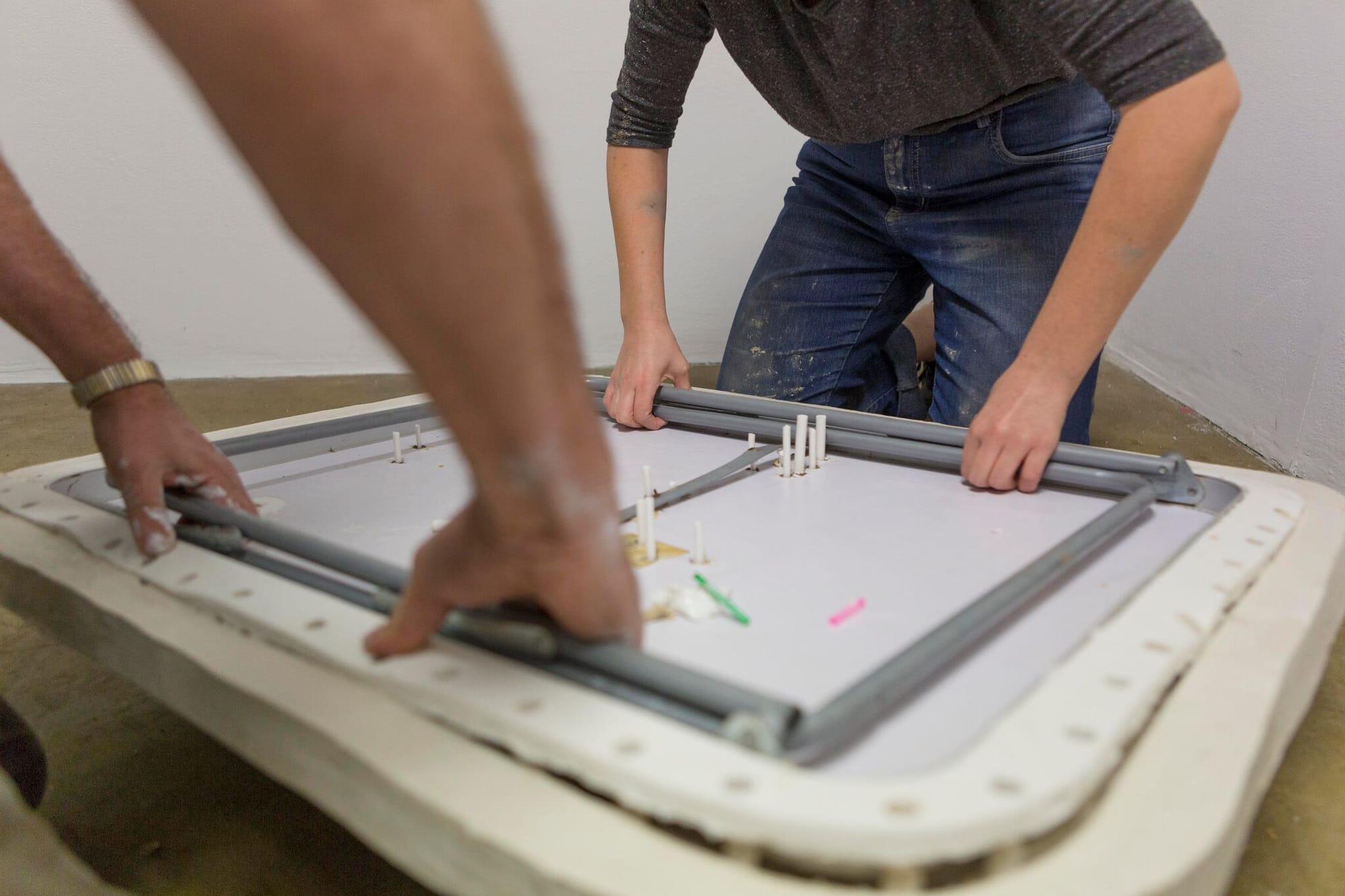
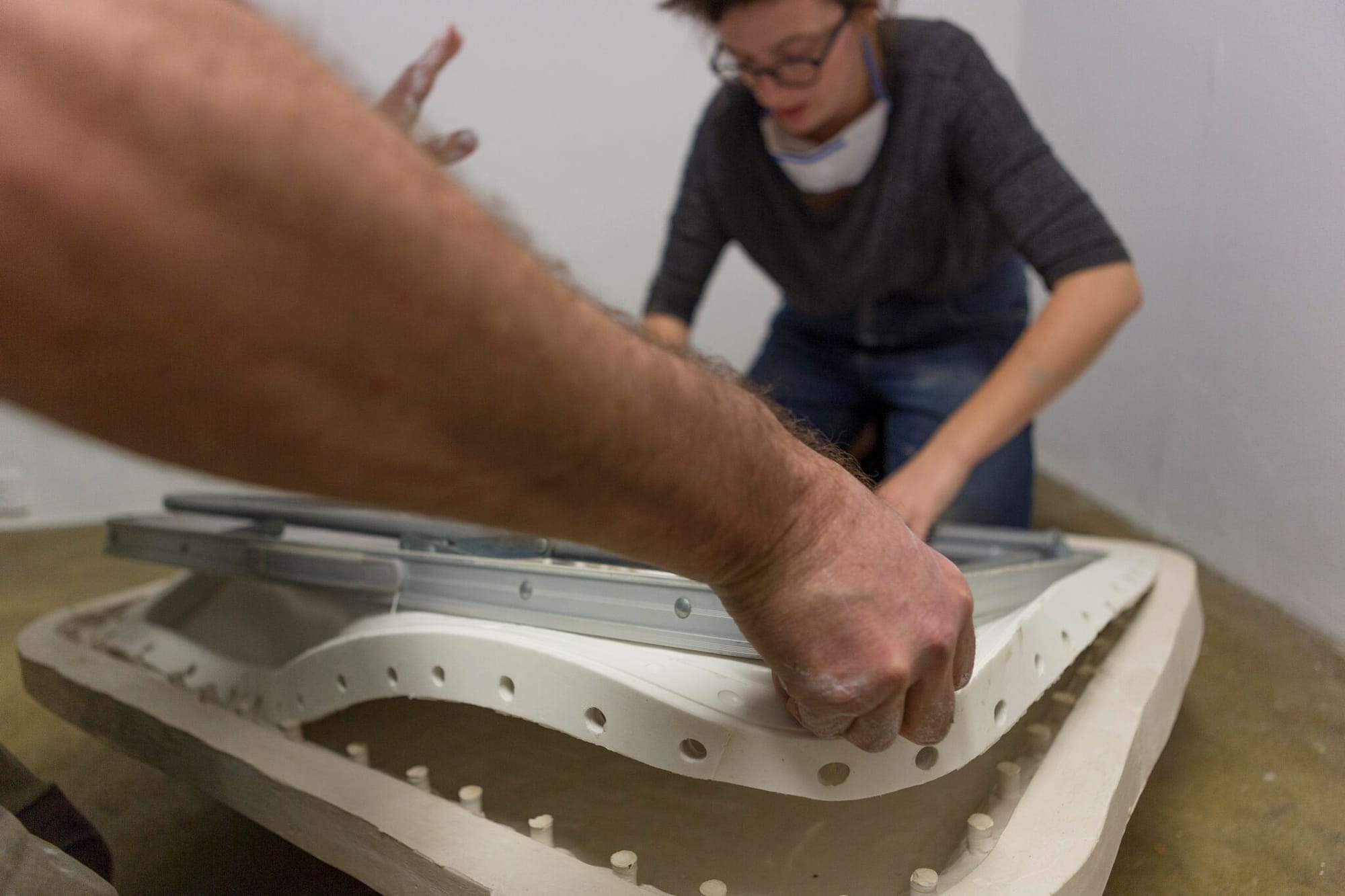
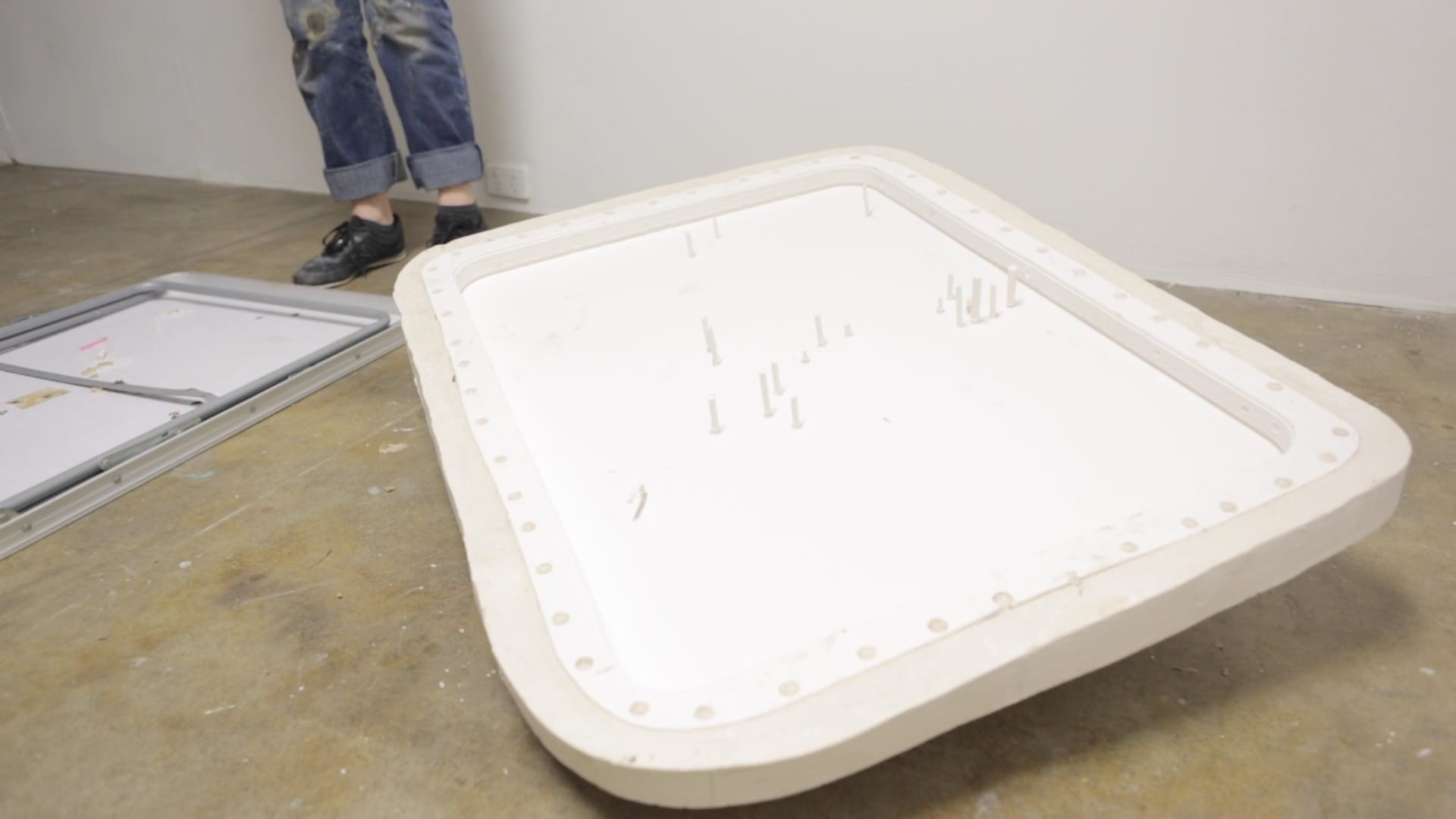
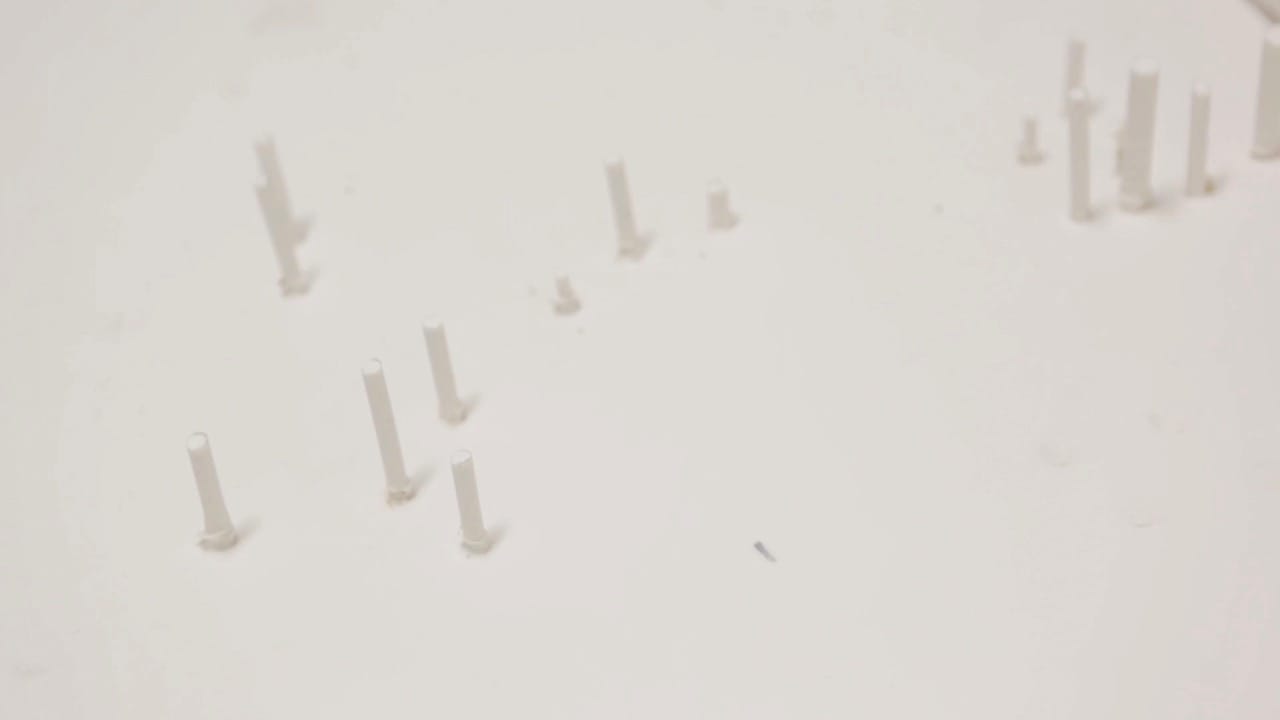
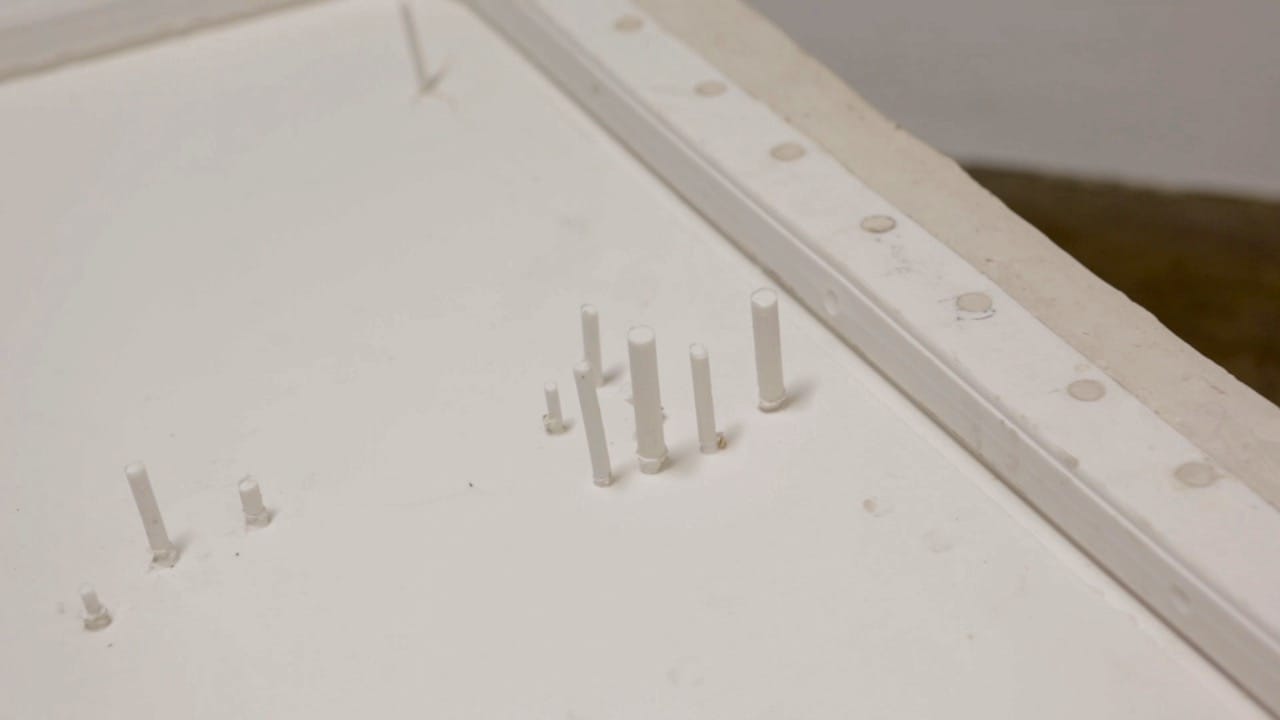
My supervisor felt there was something missing from my final exhibition. That I had one last push in me. I made a mould. A sculpture built around the negative space of the card table and the bullet holes. Time is a spiral. I wanted to return to those haunted forests. I wanted to do the impossible: to mould the velocity of those bullets. I called the piece Rubber Bullet Holes.
I had very little time. I worked past 1am most nights. Rosina would come into the studio after work, and help me pour silicon, plaster. I was surviving on coffee and not much else. I believed I had to transmute all the pain of the extractive industries through my own body.
When I pulled the card table out of the mould, I had a perfect three dimensional print of the negative space surrounding it. The velocity of the bullets moulded in silicon. An index of terror, privation.
2021
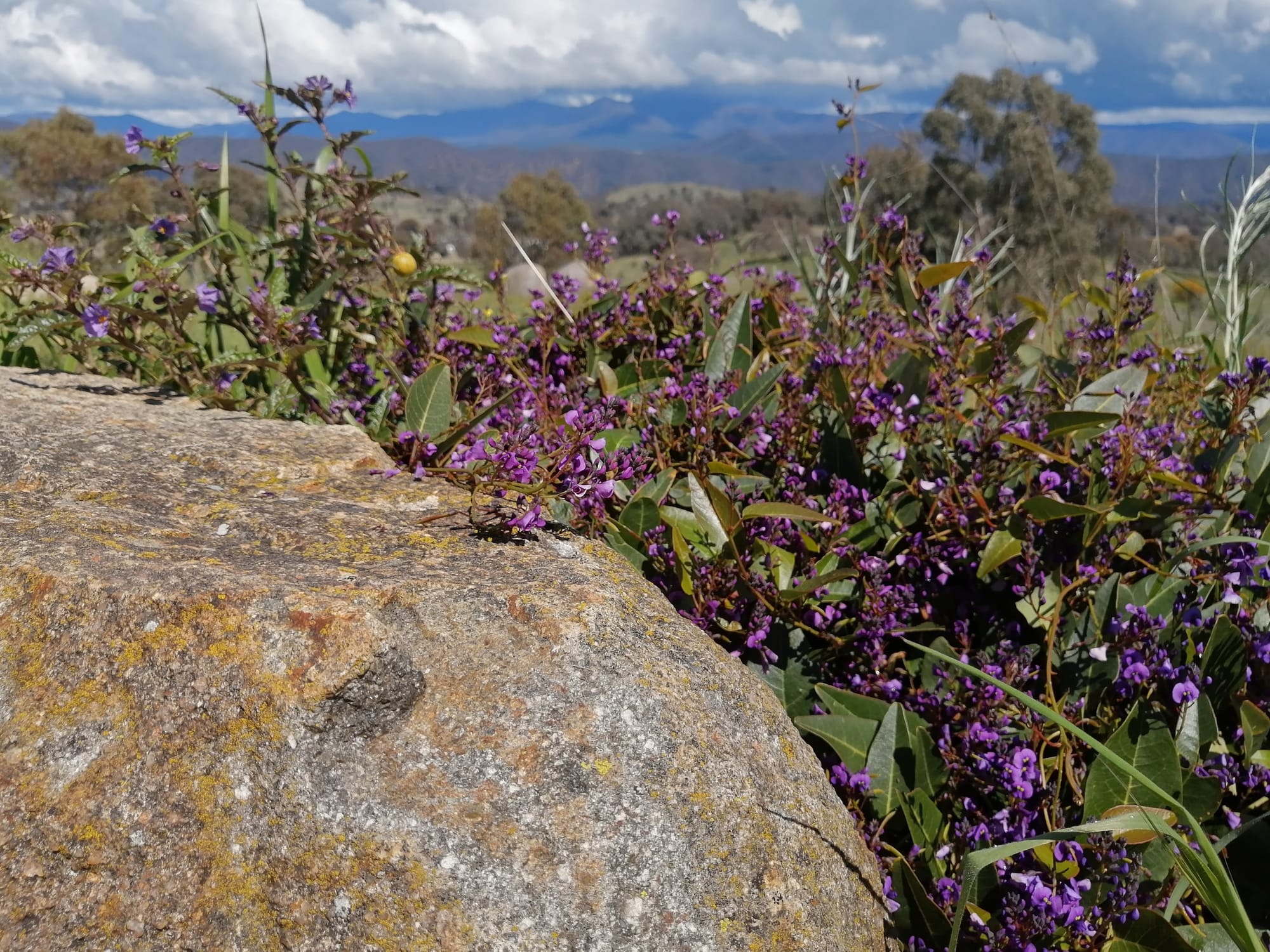
Hardenbergia season. Purple flocking over the landscape. A brief jaunt home had, thanks to the pandemic, become a permanent move to a new place: Canberra. After years in Montreal, I was re-learning my limerance for the Australian bush. My devotion to it. Time is a spiral.
For the first time, I deeply learned the landscape I was in love with. Learned to name it. To taste it. To actually inhabit and understand the places I had once been so keen to give my life for.
Walking the ridges behind my partner's parents house, I lay down inside a bush of budding hardenbergia and felt the world of fear and privation slip away. I published the following in my 2021 zine Plant and Soil Listening Propositions:
Sitting amongst the grass and hardenbergia and belladonna in the reserve overlooking Namadgi, the world is so beautiful I can barely stand it. We have to titrate beauty or it obliterates us. Mortals who see the gods die.
My ego and I have been thrashing it out on the laptop at home, how to distill all my interests into an academically legible thesis proposal. How to include the noetic, ethnobotany, the nervous system, animism. To keep bees, and the human polyvagal cortex, and soil health, and native pea plants as my case studies and refuse to give up anything. To go deeper into the chinese medicine concepts of water and earth and how they mobilise nervous system toning in my own body. To keep it all, to dine on it all. It's doing my head in. Walking up the ridge the other day, my partner said "refusing to decomplexify is kind of your methodology."
I lie against the boulder the plants are growing against and look up at the shrouded mountains, glasses off. A haze of white and blue and green. All this year, I've had marxist and proto-marxist peasant farmer folk songs in my head. This one "levántate y mira la montaña. Levántate y mírate las manos." a Chilean revolutionary song. And what are the songs of these peaks that I am not hearing? I am longing for them too. If I am to truly be here, to commit to understanding and decolonising this place, I must listen for the songs.
I take a break from even this much thinking, and lie against the boulder. And there it all is. The wet soil on my fingers and toes. The droplets pooling on leaves, petals, stalks. My period pain opening itself up in the quiet, taking its full size. Unlike the pain of ignoring it, the full pain is utterly bearable. There is my chest softening. There is hardenbergia and solanum cinereum twined together: sleep plants. There are buddings of hardenbergia pods: the telltale signs of the soil-saving pea. There are my bees. Hundreds of them. Native and non-native. Around my head, my hands, my ears. Buzzing me to sleep.
Beauty, beauty, beauty.
2023
As part of my PhD fieldwork, I returned to those old growth forests. Time is a spiral. In the Australian evening honey light, my little car trundled uphill. Past the working water wheel. The fern gullies. The old blockade, now grown over. Past the scarred hills, midstorey racing to become overstory again. The clearfell where I stole the card table full of bullet holes. Where I once walked in the evening and heard a forest of lyrebirds singing the song of the chainsaw. I drove to the educational walk, where I once watched a lyrebird mating dance. I could read the bush finally, in a way I couldn't before. I picked strong, stringent prostanthera, flourishing mountain pepper, sweet lily pillies. Beauty, nourishmant, medicine.
2026
Time is a spiral. We have moved into the flat owned by my partner's parents. I miss my farm achingly, but the long views and giant hardenbergia bushes on the ridges here awaken something in me that has been deeply thirsty. Watching these views and these flowers, my mind is filled with the horizonal and the granular. My mind is also filled with a baby, who is screaming. The nearest place to sit is a boulder, just next to that hardenbergia bush I'd fallen asleep in five years earlier. Time is a spiral. I feed my daughter in the purple haze of August hardenbergia. Satiated, she rests her head on my breast, laughs at her daddy. Stares at the sunset over the mountains. Beauty, beauty, beauty.
Where you can catch me and my work
As part of the endless move out of my farmhouse, I am selling my back-catalogue. The apartment I am living in is full. My life is full. My mind is full. My arms are full (of baby). As I am want to do, I am making space for the surprise to arise. Most of my zines are selling for $15. You can buy them here. In them you can read about the intensity and headiness of tethering one's life to forests: think Chris Kraus's I Love Dick, or Michelle Tea's Valencia...But with more chainsaws.
I am also selling Rubber Bullet Holes. This physical reminder of beauty, fear, and privation has been the weight in the rubber sheet of my homes (and my parents' home!) for ten years now. It is time for it to be something else for someone else. It is a large sculpture. My asking price is $2000, but if you are interested in it for a different amount, please make me an offer.
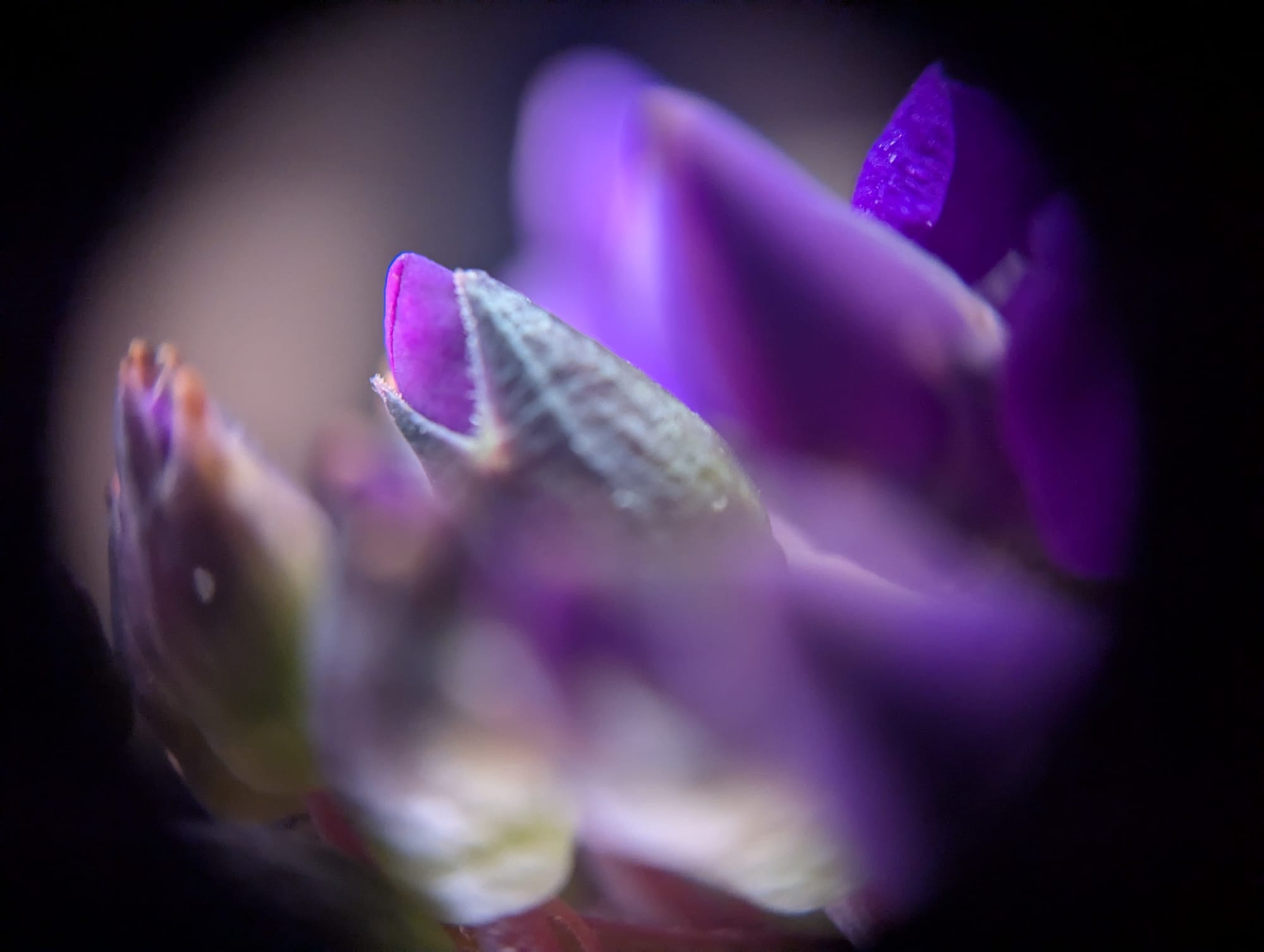
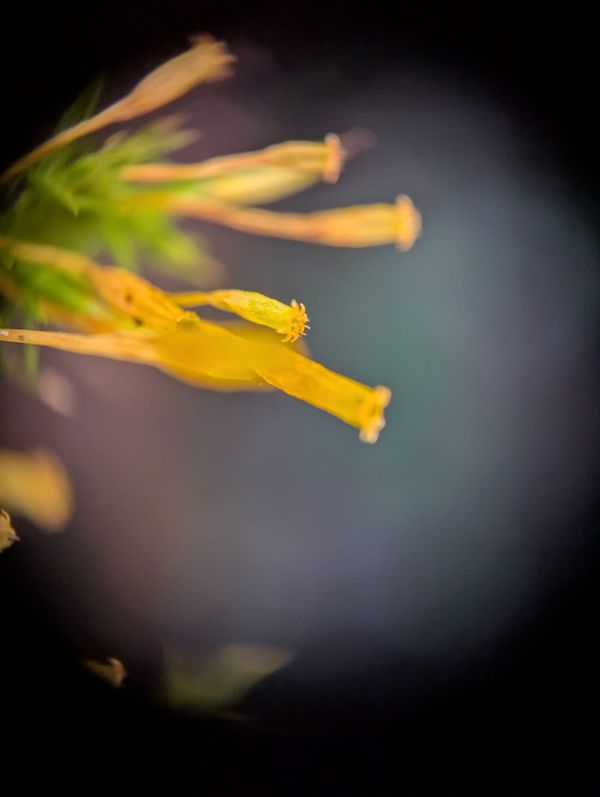
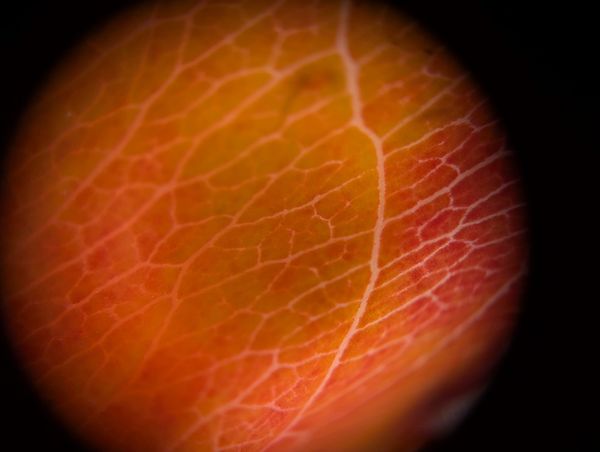
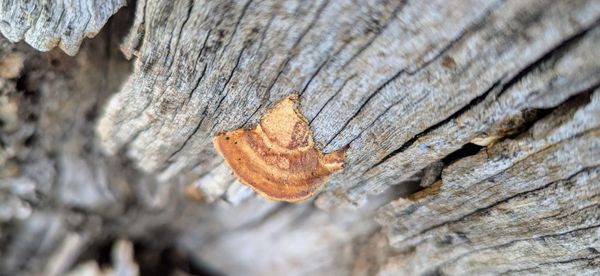
These sales will go into buying me the gear I need so I can continue to take microscopic photography, and play with this wild world of plants and soil that I am madly in love with.
What Country is doing right now
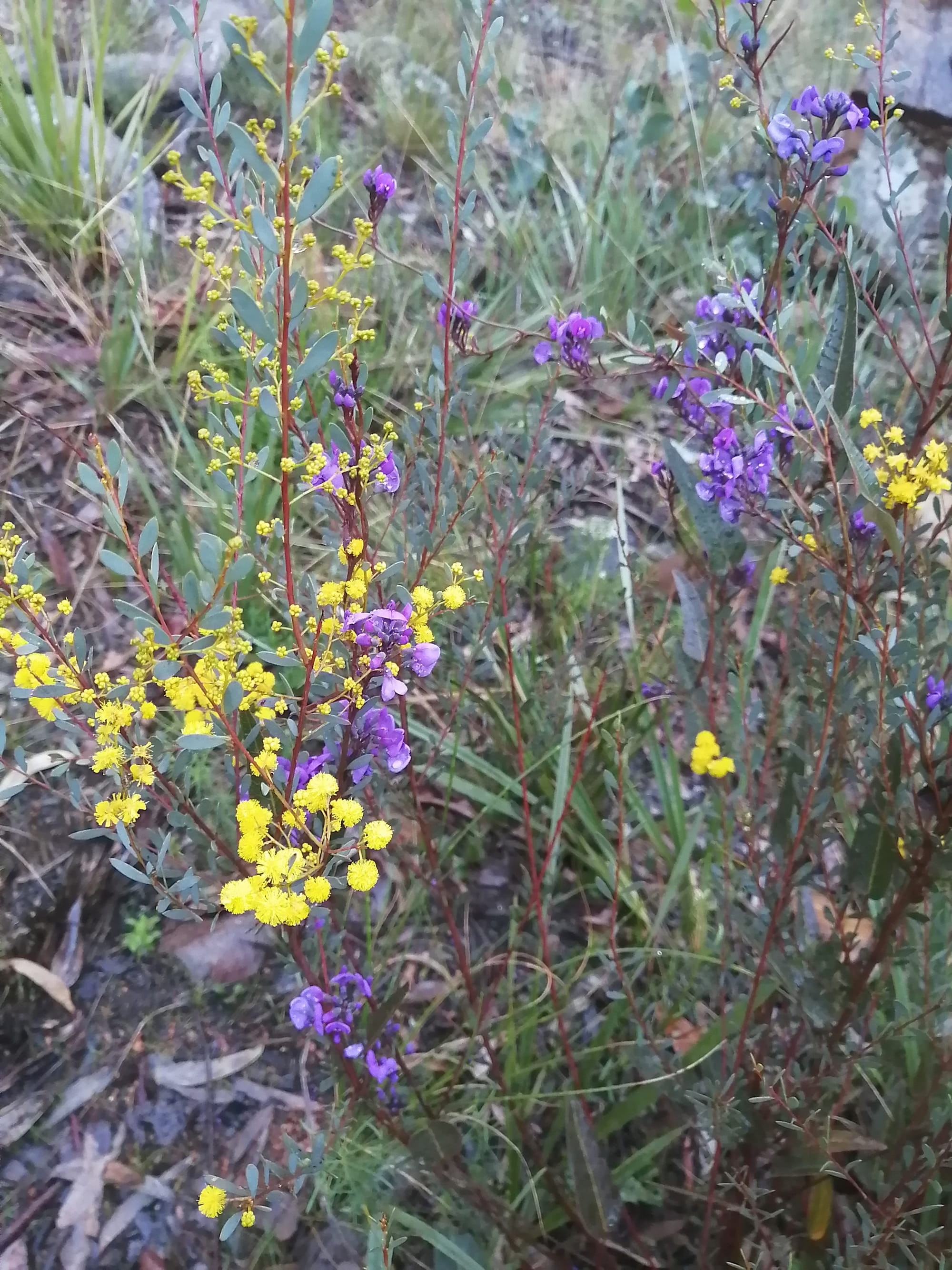
Country is effervescent with hardenbergia and wattle. The purple and the yellow twine together, singing . Their contrasting colours meaning that each frames the other. I am reminded of Potawami botanist Robin Wall Kimmerer's question "why do the aster and the goldenrod [two similar North American plants that are violet and yellow] look so beautiful together?" And her insistence that questions of beauty are not just questions for artists, but also for scientists:
And yes, as it turns out, there’s a very good biophysical explanation for why those plants grow together, so it’s a matter of aesthetics, and it’s a matter of ecology. Those complementary colors of purple and gold together, being opposites on the color wheel, they’re so vivid they actually attract far more pollinators than if those two grew apart from one another. So each of those plants benefits by combining its beauty with the beauty of the other.
Other good things
Sculptor Rosina Prestia is the person who taught me that time is a spiral. She is also the only reason I finished Rubber Bullet Holes, as well as my MFA generally. She is about to have her first solo show in many years, and it promises to be caring, careful, and haunting. You can catch Phantom Wing at Montsalvat.
Thank you
Next month, I will be celebrating one year of the Crepuscular Hour. Thank you for helping me begin to build a creative practice that feeds me, that I genuinely want to return to every month. Thank you also for being with me for one year of my daughter, Ember Ursa: seven issues together while she grew inside me, and five together since she was born.